
How to Identify Hidden Environmental Toxins in Your Home
Last Updated: October 30, 2026
Quick Summary
Hidden environmental toxins are often found by inspecting your home room by room, since most have no smell, color, or obvious symptom. Start with urgent hazards such as carbon monoxide, gas leaks, and water intrusion, then check products, furniture, and older materials.
- Carbon monoxide has no reliable odor, so install CO alarms on each level and near sleeping areas.
- Test for radon with a short-term test kit, since the gas is invisible and odorless.
- Homes built before 1978 may contain lead-based paint, so avoid dry-sanding or dry-scraping it.
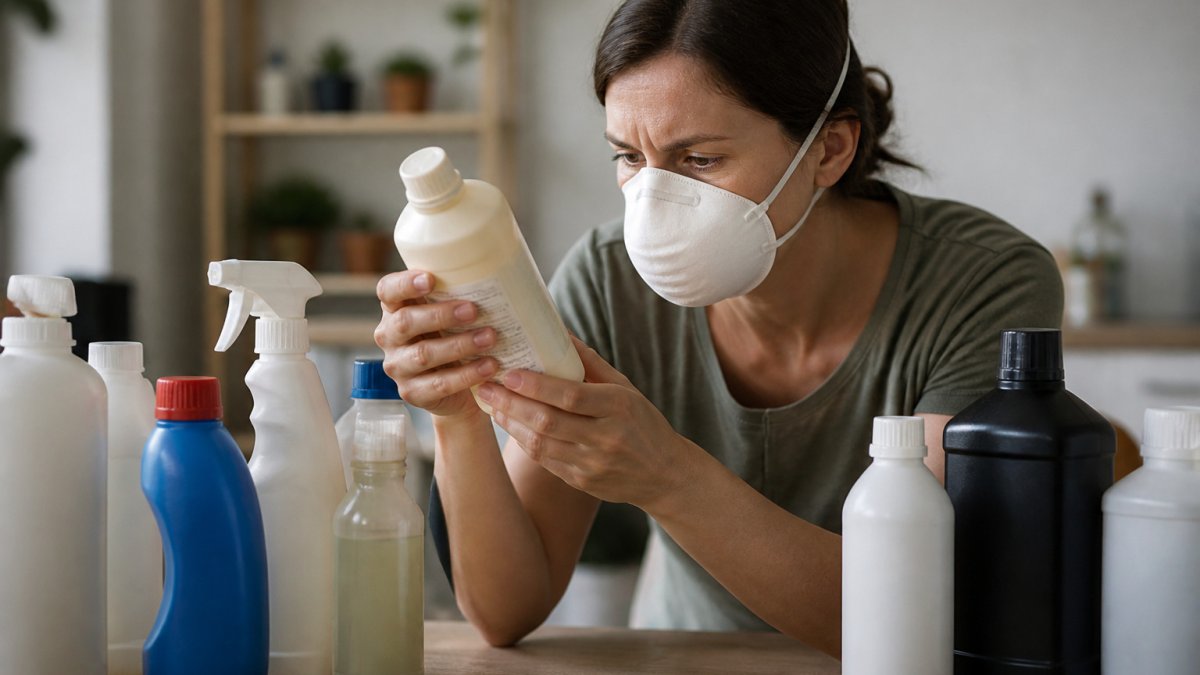
- Photograph ingredient labels on cleaners and fragrances to look up their contents later.
Table of Contents
- Why Hidden Environmental Toxins Are Hard to Spot
- Room-by-Room Inspection Checklist for Common Household Sources
- Cleaning Products, Fragrances, and Air Quality at Home
- Checking for Moisture, Mold, and Building-Related Hazards
- Radon, Carbon Monoxide, and Combustion Hazards: What to Test For
- Lead Paint and Older Building Materials
- Prioritizing Risks and Deciding What to Test or Fix First
- Booking Your Next Step With enrG Wellness
- Frequently Asked Questions
Hidden environmental toxins are easy to miss because most of them have no smell, no color, and no obvious symptom. Many people spend months blaming stress or fatigue before they start looking at their home. This guide gives you a practical way to walk through your house, spot likely sources, and decide what to act on first.
Why Hidden Environmental Toxins Are Hard to Spot
Indoor air can carry chemicals from many sources at once. Most of them come from products you use every day, not from one dramatic event.
The trouble is that exposure builds slowly. A candle, a cleaner, and new carpet may each seem harmless on their own.
A few reasons these toxins hide in plain sight:
- They are invisible. Most airborne chemicals have no odor you can reliably detect.
- Symptoms are vague. Headaches, tiredness, and brain fog have many possible causes.
- Sources blend in. Furniture, paint, and cleaners feel normal because they are everywhere.
A practical approach is to stop guessing and look at specific sources, one room at a time.
Room-by-Room Inspection Checklist for Common Household Sources
Working room by room keeps the process manageable and turns a vague worry into a written inventory. The goal is not to eliminate every chemical, that is impossible, but to find the handful of sources that contribute most to your daily exposure.
Kitchen
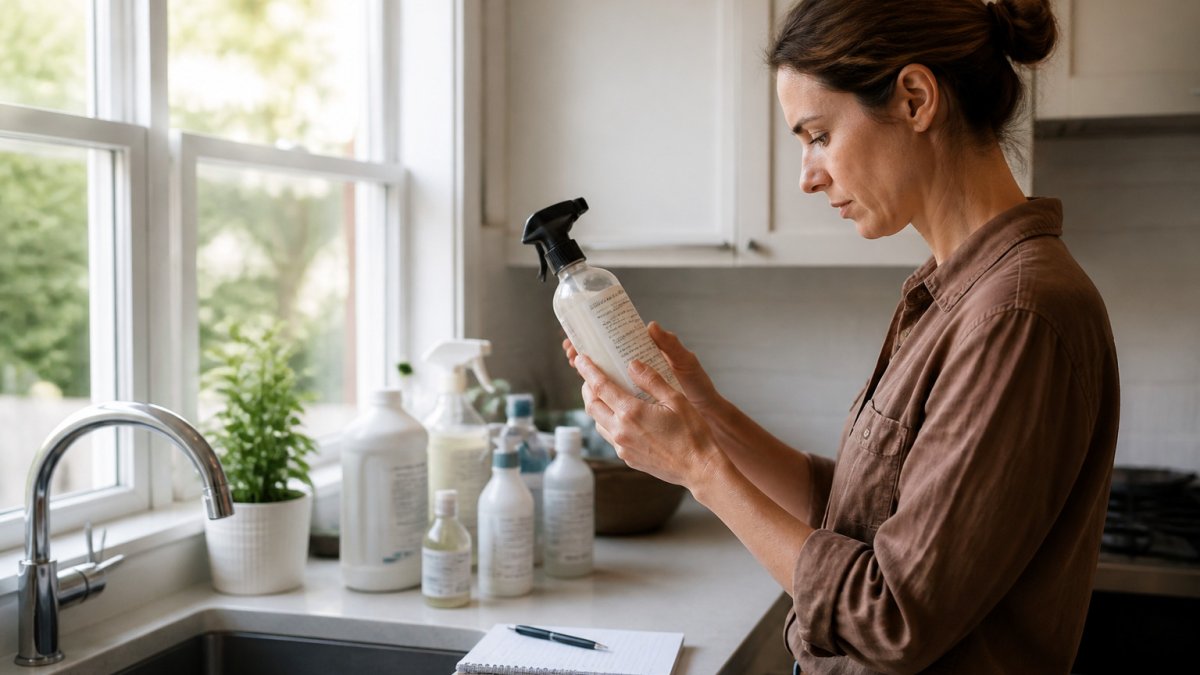
- Read the labels on oven cleaners, degreasers, and drain openers. Look for signal words like DANGER, WARNING, or CAUTION, and for solvent names such as sodium hydroxide, glycol ethers, or quaternary ammonium compounds.
- Check nonstick pans for scratches or flaking. Damaged coatings can release fumes when overheated; replace pans that are visibly worn.
- Confirm the range hood actually vents outdoors. Hold a tissue near the hood while it runs, if the tissue is not pulled toward the filter, the fan may be recirculating instead of exhausting.
Bedroom
- Inspect new mattresses, foam pillows, and upholstered headboards. Polyurethane foam and flame-retardant treatments can off-gas for weeks; air new items in a garage or well-ventilated room before use when possible.
- Count scented products: plug-in fresheners, reed diffusers, candles, and scented sachets. Each one releases fragrance chemicals continuously.
- Check for pressed-wood furniture such as particleboard dressers or MDF shelving, which can emit formaldehyde, especially when new or when the edges are unsealed.
Bathroom
- Note personal care products with heavy fragrance, shampoos, body washes, lotions, and deodorants.
- Run the exhaust fan during and after showers. If the mirror does not clear within a few minutes, the fan is undersized or blocked.
- Look under the sink for stored cleaners, and check for water stains that suggest a slow leak.
Living Areas
- Survey pressed-wood furniture, especially pieces made with particleboard or MDF. Formaldehyde emissions are highest when the product is new and decline over time.
- Note new carpets, rugs, and upholstery. New carpet can release VOCs from adhesives and backing; ask for low-emission installation or air the room thoroughly.
- Check for scented candles, wax melts, and aerosol sprays used in common areas.
Garage and Utility Areas
- Store paints, solvents, pesticides, and gasoline in sealed containers, ideally in a detached shed or a garage that does not share air with living space.
- Check that the door between the garage and the house seals tightly and closes on its own.
- Confirm that fuel-burning appliances, furnace, water heater, dryer, are serviced annually and that flues are unobstructed.
Whole-Home Quick Pass
- Walk every room and note any musty smell, water stain, or condensation on windows.
- Check the date on your carbon monoxide alarms and smoke detectors.
- Look for unsealed or damaged caulk around windows and doors, which can let in outdoor pollutants and moisture.
Write down each item you find, along with the room and the date. A simple list makes it easier to compare risks later and to see whether a problem is getting better or worse.
Photograph the ingredient panel of any product you are unsure about. Many manufacturers list ingredients online, and a photo saves you from having to remember the exact product name later.
Cleaning Products, Fragrances, and Air Quality at Home
Many everyday products release volatile organic compounds (VOCs), which are gases that can escape into indoor air. Cleaners and air fresheners are among the most common sources.
Here is a simple way to reduce exposure from these products:
- Read the ingredient list. Look for “fragrance” and solvent names, and choose products with fewer of them.
- Use less product. More cleaner does not mean a cleaner home.
- Ventilate while cleaning. Open a window or run an exhaust fan.
Watch out: mixing cleaning products can create dangerous fumes.
Checking for Moisture, Mold, and Building-Related Hazards
Moisture is one of the most overlooked indoor problems. Damp walls, leaking pipes, and condensation encourage mold growth, which can affect indoor air quality.
To check for moisture problems:
- Look for stains, peeling paint, or a musty smell.
- Check under sinks, around windows, and in basements or crawl spaces.
- Use a hygrometer to track indoor humidity.
If you find visible mold, the U.S. Environmental Protection Agency offers guidance on cleanup and when to call a professional. You can find it at EPA guide to mold cleanup in your home.
Radon, Carbon Monoxide, and Combustion Hazards: What to Test For
Some hazards cannot be seen or smelled at all. Radon is a naturally occurring gas that can seep up from soil, and carbon monoxide comes from fuel-burning appliances.
Test for these two gases directly:
- Radon: Use a radon test kit, which is widely available. The EPA radon information for homeowners explains how to test and what results mean.
- Carbon monoxide: Install battery-operated or plug-in CO alarms on each level of the home and near sleeping areas.
Have gas stoves, furnaces, and water heaters inspected on a regular schedule.
Lead Paint and Older Building Materials
Homes built before 1978 may contain lead-based paint. Lead dust is especially risky for young children and pregnant women.
Signs to look for include:
- Chipping, peeling, or cracking paint on windows and doors
- Dust near painted surfaces
- Renovation work in an older home with no safety precautions
Many health departments offer lead testing. The EPA lead-safe home renovation guidance covers safe practices for older houses.
Prioritizing Risks and Deciding What to Test or Fix First
Step 1: Separate urgent hazards from slow-burn concerns.
Some problems need action today; others can wait for a weekend project. Use this order as a starting point:
- Combustion and gas hazards. Carbon monoxide, gas leaks, and blocked flues are immediate risks. If your CO alarm sounds, leave the home and call 911 or your gas utility from outside. Do not wait to finish a checklist.
- Active water intrusion and mold. Fix the leak before you worry about paint fumes. Moisture problems worsen over time and can damage the building itself.
- Radon. Radon is an invisible, odorless gas and a recognized health risk, so testing is recommended. Test once, then retest every few years or after major renovations.
- Lead paint and dust in pre-1978 homes. Lead dust is especially risky for young children and pregnant women. Do not dry-sand or dry-scrape painted surfaces; use lead-safe practices or hire a certified contractor.
- Everyday product fumes. Cleaners, fragrances, and new furniture are lower priority than the items above but easier to change, so they are a good place to start once urgent issues are handled.
Step 2: Weigh exposure route, duration, and concentration.
A chemical that is dangerous in a factory may be a minor concern in a well-ventilated living room. Ask three questions about each item on your list:
- Route: Is it inhaled, swallowed, or absorbed through skin? Airborne chemicals in a small, closed bedroom matter more than the same chemical in a garage.
- Duration: Do you spend eight hours a night near it, or a few minutes a week? Bedrooms and nurseries deserve more attention than a guest room.
- Concentration: Is the product used full-strength or diluted? Is the room ventilated? A strong cleaner used once with the window open is a different exposure than a plug-in freshener running continuously.
Step 3: Account for vulnerable household members.
Step 4: Decide what to test and what to skip.
Not every concern requires a test. Testing makes sense when the result would change what you do.
- Carbon monoxide: Install alarms on each level and near sleeping areas. This is a monitor, not a one-time test.
- Radon: Use a short-term test kit first, following the EPA’s guidance on placement and timing. If results are elevated, confirm with a second test before deciding on mitigation.
- Mold: Visible mold can often be cleaned without testing. Testing is more useful when you suspect hidden mold behind walls or when a contractor needs documentation.
Step 5: Know what to do after you find a hazard.
A test result is only useful if you know the next step.
- If a CO alarm sounds: Leave immediately and call for help from outside. Do not re-enter until professionals clear the home.
- If radon is elevated: Contact your state radon program for a list of qualified mitigators. A qualified contractor can advise on mitigation options.
- If you find mold: Fix the water source first. Small areas can be cleaned following EPA guidance; large areas or contaminated materials may require a professional.
Keep notes on what you tested, when, and what you did.
Do not rely on smell or symptoms to identify a hazard. Carbon monoxide and radon have no reliable odor, and many chemical exposures produce vague symptoms that mimic stress or allergies. When in doubt, test or call a qualified professional rather than guessing.
Booking Your Next Step With enrG Wellness
If you finished the checklist and still have health concerns, you do not have to figure out the next step alone. If you want to act on concerns about hidden toxins, you can explore the Exion Rf service offered by enrG Wellness.
Visit enrG Wellness to learn more about our approach to wellness concerns. You can also browse our blog from enrG Wellness for more guidance on wellness, treatment options, and staying healthy at home.
This information is general and does not replace advice from a qualified professional. Please talk with a doctor about any individual symptoms or test results.
Frequently Asked Questions
What are common signs that my home may have air quality problems?
Persistent stuffiness, headaches or eye irritation that ease when you leave the house, musty odors, visible condensation on windows, and water stains on ceilings or walls can all point to indoor air quality issues. These clues are not conclusive on their own, because allergies, illness and outdoor pollution can cause similar symptoms. Note when symptoms appear, which rooms you are in, and whether anything changed recently, such as new furniture, renovations or cleaning routines. If the pattern continues, a qualified inspector or testing service can measure conditions directly, and a healthcare professional can evaluate any ongoing symptoms.
How do I know if there is mold hidden in my home?
Hidden mold often shows up as a persistent musty smell, dark or discolored patches behind furniture, peeling paint or wallpaper, or areas that stay damp after rain or showers. Check under sinks, around windows, in basements and crawl spaces, and behind appliances. Visible mold should not be sprayed with bleach as a fix, since it does not address the moisture source. Mold testing can help confirm what is present, while a professional assessment is useful when growth covers a large area or the source is in a wall or ceiling cavity.
Should I test for radon and lead paint, or is a general inspection enough?
A general inspection cannot detect radon or lead, which need their own tests. Radon is a colorless, odorless gas that can enter homes through foundation cracks and gaps, and short-term test kits are widely available from hardware stores and online retailers. Lead paint is a concern mainly in homes built before 1978, when lead-based paint was banned for residential use in the United States. Test kits and certified lead inspectors can identify it. Costs vary, so check current prices with the test provider or local services.
When should I hire a professional to inspect my home for environmental hazards?
Consider a professional when you find visible mold over a sizable area, when you suspect hazards inside walls or under flooring, when home tests return results you do not understand, or when household members have ongoing symptoms that are unexplained. Certified inspectors and labs can take samples and interpret results in context. Ask about credentials, what the inspection covers and how results will be reported before booking. For any health concerns, a licensed clinician at a practice such as enrG Wellness can help you think through next steps and book a consultation.
