
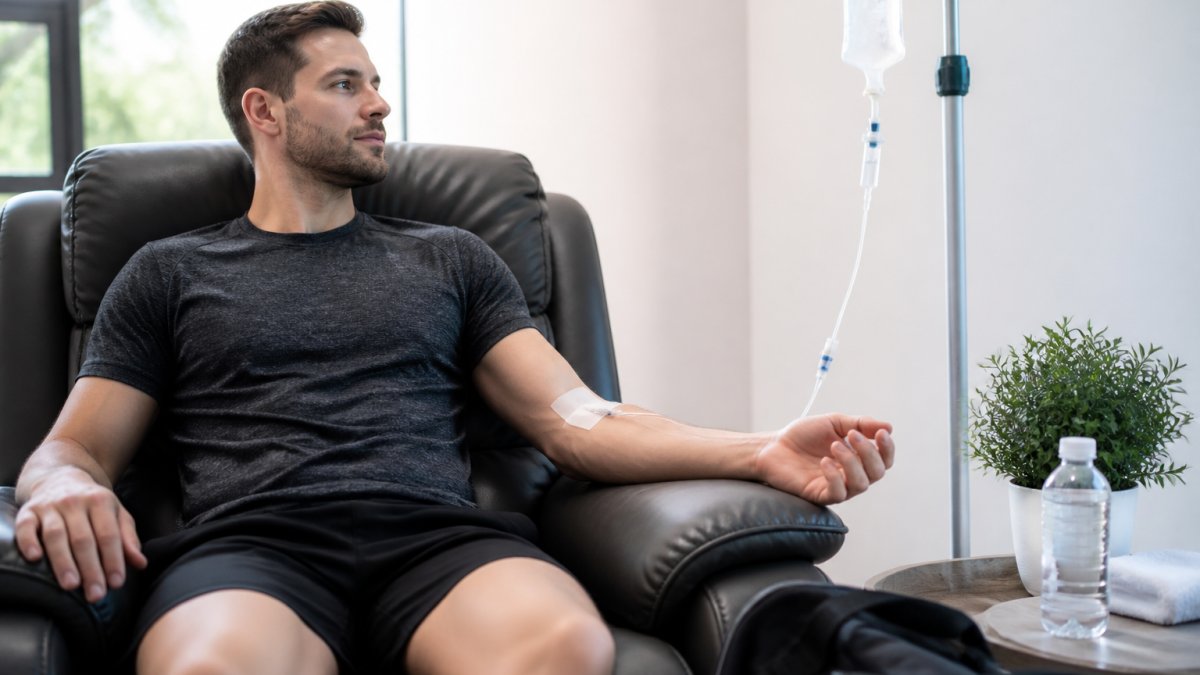
Best IV Therapy for Athletes: 2026 Guide
Table of Contents
- What Is IV Therapy for Athletes?
- Quick Comparison of Top IV Therapy Options
- 1. enrG Wellness Athletic Recovery
- 2. The DripBar Athletic Recovery Drip
- 3. Restore Hyper Wellness Recharge IV Drip
- 4. Hydration Room Athletic Recovery IV
- 5. ASAP IVs Athletic Recovery Infusion
- 6. Infinite Dripz Athletic Recovery
- IV Therapy Benefits for Muscle Recovery
- Supporting Keyword: How Often Should Athletes Get IV Therapy?
- Supporting Keyword: Essential Vitamins for Athletic Performance
- Frequently Asked Questions
Last Updated: October 4, 2026

What Is IV Therapy for Athletes?
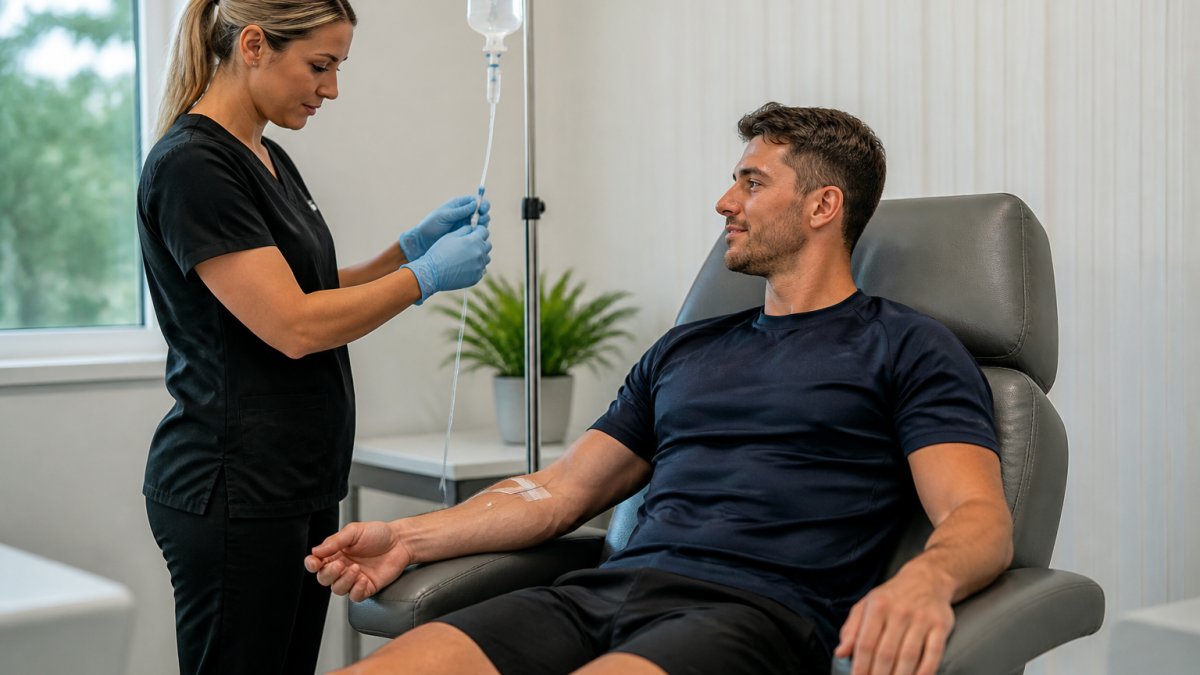
IV therapy for athletes is the practice of delivering vitamins, minerals, electrolytes, and amino acids directly into the bloodstream through an intravenous drip. Unlike oral supplements that pass through the digestive system, intravenous therapy bypasses absorption barriers and allows nutrients to reach muscles and cells at full concentration.
Athletes use IV therapy for rapid recovery, rehydration, and performance optimization by delivering nutrients directly to muscles at full concentration.

This guide covers the top IV therapy options and explains how each supports muscle recovery, endurance, and peak performance.
The key difference between IV therapy and oral supplements: intravenous delivery achieves 100% bioavailability instantly, while oral supplements lose potency through digestive processing. For athletes on tight recovery windows, this matters.
Quick Comparison of Top IV Therapy Options
| IV Therapy Option | Best For | Key Focus | Typical Session Cost |
|---|---|---|---|
| enrG Wellness Athletic Recovery | Comprehensive functional recovery | Root-cause health optimization + performance | Contact for pricing |
| The DripBar Athletic Recovery Drip | Muscle-focused recovery | Electrolyte balance + vitamin blend | $100+ per session |
| Restore Hyper Wellness Recharge | High-performance reset | Mental + physical recovery | Contact for pricing |
| Hydration Room Athletic Recovery | Customized protocols | Personalized treatment plans | $100+ per session |
| ASAP IVs Athletic Recovery | Muscle soreness relief | Magnesium + B-complex | $120+ per session |
| Infinite Dripz Athletic Recovery | Endurance athletes | Rapid fluid replenishment | $100+ per session |
1. enrG Wellness Athletic Recovery
Our top pick for athletes seeking comprehensive functional recovery. enrG Wellness combines personalized IV therapy with root-cause analysis to address not just immediate recovery needs, but long-term performance optimization.
enrG Wellness performs functional assessments to identify your specific recovery demands and design personalized protocols targeting your actual deficiencies, not generic formulas.
enrG Wellness provides a wellness environment with registered nurses and certified practitioners who align each session with your performance goals.
Athletes committed to long-term vitality who want IV therapy integrated into a comprehensive functional health plan addressing energy, recovery, and performance optimization.
2. The DripBar Athletic Recovery Drip
The DripBar offers electrolyte balance and muscle-targeted vitamin blends administered by registered nurses. Strength: customizable formulas and RN-administered care.
3. Restore Hyper Wellness Recharge IV Drip
Restore’s Recharge IV combines electrolytes, B-complex vitamins, and magnesium for systemic recovery. Strength: holistic approach appeals to endurance and team sport athletes.
4. Hydration Room Athletic Recovery IV
Hydration Room tailors protocols to your sport, training intensity, and metabolic profile through thorough assessments. Strength: high-level personalization.
5. ASAP IVs Athletic Recovery Infusion
ASAP IVs prioritizes magnesium and B-complex vitamins for muscle soreness and cramping. Best for: athletes with acute soreness or cramping.
6. Infinite Dripz Athletic Recovery
Infinite Dripz specializes in rapid fluid and electrolyte replenishment for heat-based and endurance training. Strength: straightforward hydration focus.
IV Therapy Benefits for Muscle Recovery
IV therapy accelerates muscle recovery by delivering nutrients at concentrations impossible through oral supplementation, but understanding when it’s truly necessary versus when oral nutrition suffices is critical.
Muscle Protein Synthesis and Amino Acid Delivery
Muscle protein synthesis (MPS), the process rebuilding muscle fibers, is elevated 24-48 hours post-training and requires amino acids (BCAAs and glutamine). Oral supplements absorb in 30-90 minutes; IV infusions achieve peak concentrations in 5-10 minutes, providing meaningful advantage for athletes with limited post-training eating windows.
A well-timed post-workout meal delivers amino acids nearly as effectively as IV therapy for most athletes. IV therapy becomes significant only when you cannot eat immediately post-competition, have documented digestive issues, or compete multiple times daily.
Electrolyte Restoration and Cellular Hydration
Electrolytes, sodium, potassium, and magnesium, regulate cellular hydration, nerve signaling, and muscle contraction. During intense training, you lose electrolytes through sweat; the loss is proportional to sweat rate and duration.
Athletes sweating 1-2 liters per hour lose 500-1000 mg sodium and 100-200 mg potassium hourly. Oral rehydration absorbs at ~500-1000 mL per hour; IV therapy bypasses this bottleneck. IV is most effective for endurance athletes (2-6+ hour events), extreme heat, or high sweat rates. For efforts under 90 minutes, oral replacement suffices.
Magnesium regulates muscle contraction and relaxation; deficiency causes cramping and DOMS. Most athletes are magnesium-deficient during heavy training. IV magnesium (500-1000 mg) absorbs completely and immediately; oral supplements (200-400 mg) compete with calcium for absorption and cause GI side effects. For acute cramping or severe DOMS, IV magnesium delivers faster relief.
Metabolic Support and Energy Production
B-complex vitamins convert carbohydrates and fats into ATP; heavy training depletes them. Oral supplements replenish over days; IV infusions restore levels within hours, improving energy and sleep quality. Vitamin C reduces oxidative stress from intense training; IV delivery achieves 10-15x higher blood concentrations than oral supplementation.
Realistic Timeline and Magnitude of Benefit
Athletes report reduced soreness within 2-4 hours: typically 30-50% improvement in DOMS severity. Energy improves most on days 2-3 post-IV. Performance gains are indirect, IV therapy reduces recovery friction, allowing harder, more consistent training that compounds into measurable gains over weeks.
IV therapy is not a substitute for sleep, nutrition, and proper training programming. The therapy enhances recovery but doesn’t replace foundational practices. Athletes who neglect 7-9 hours of sleep, consume inadequate protein (0.7-1.0 g per pound of body weight daily), or follow poorly structured training won’t see optimal results from IV therapy alone. Think of IV therapy as a 10-15% performance multiplier on top of excellent fundamentals, not a standalone solution.
When IV Therapy Is Worth the Cost vs. Oral Alternatives
IV therapy is justified for competitive athletes competing multiple times weekly, those with documented malabsorption, or during critical competition phases. Oral supplementation suffices for 3-4 weekly training sessions with 48+ hour recovery. Many serious athletes use a hybrid approach: oral supplementation year-round with IV therapy reserved for competition phases and heavy training blocks.
Supporting Keyword: How Often Should Athletes Get IV Therapy?
Frequency depends on training intensity, competition schedule, and individual physiology. Before scheduling IV therapy, medical screening is essential to identify contraindications.
Medical Screening and Contraindications
Key contraindications include kidney disease (electrolytes can accumulate dangerously), heart conditions (require medical clearance), diabetes (dextrose formulas spike glucose), hemochromatosis, pregnancy, and severe dehydration from illness (seek urgent care). A responsible provider conducts health intake screening, reviews medical history, and may request lab work before your first session.
Timing Protocols: Pre-Competition vs. Post-Competition
When you receive IV therapy relative to competition matters significantly. Timing affects hydration status, electrolyte balance, and performance outcomes.
Post-competition IV therapy (within 2-6 hours after finishing) is the most evidence-supported timing. Your muscles are primed for nutrient uptake, glycogen stores are depleted, and rapid rehydration prevents delayed-onset muscle soreness. A post-competition session delivers amino acids and electrolytes when muscle protein synthesis is elevated, maximizing recovery benefit. Most athletes report the fastest soreness reduction and energy recovery when IV therapy is administered within this window.
Pre-competition IV therapy (24-48 hours before competition) is appropriate for hydration optimization and glycogen loading but carries a different purpose. The goal is ensuring you start competition fully hydrated and with adequate micronutrient status, not acute muscle repair. Receiving IV therapy the day before a major event allows time for your body to process and distribute nutrients without the diuretic effect of competition-day stress. However, IV therapy immediately before competition (within 4 hours) is generally not recommended, the rapid fluid load can cause discomfort, urgency to urinate, or bloating during performance.
During multi-day competitions (tournaments, stage races, multi-round events), IV therapy between days is common. A session 12-24 hours after one competition and 12-24 hours before the next optimizes recovery and preparation simultaneously.
Frequency Based on Training Phase
Off-season or base training (low intensity, 3-4 sessions weekly): IV therapy every 2-3 weeks or monthly is sufficient. Your recovery demands are lower, and oral hydration and nutrition typically meet your needs.
Build phase (moderate intensity, 4-5 sessions weekly): IV therapy every 7-10 days during heavy training blocks supports cumulative fatigue management. This is when many athletes first notice measurable soreness reduction and improved training consistency.
Competition phase (high intensity, frequent competitions): Weekly or bi-weekly IV therapy is common, often timed within 6 hours post-competition. Some athletes competing multiple times weekly use IV therapy after each event.
Taper week (reduced volume before major competition): Many athletes skip IV therapy during taper to avoid unnecessary fluid shifts. Instead, focus on sleep, nutrition, and light movement.
Individual Variation and Monitoring
Your optimal frequency depends on factors beyond training volume:
- Sweat rate and electrolyte loss: Athletes who sweat heavily (endurance athletes, those training in heat) may benefit from more frequent IV sessions.
- Dietary intake: Athletes with poor nutrition or restrictive diets may need more frequent IV support; those with excellent nutrition may need less.
- Age and recovery capacity: Younger athletes typically recover faster with less IV support; masters athletes (40+) often benefit from more frequent sessions.
- Sport-specific demands: Collision sport athletes (football, rugby) experience more muscle damage and may need more frequent IV therapy than endurance athletes.
Track your recovery metrics objectively: muscle soreness (rate on a 1-10 scale daily), sleep quality, resting heart rate, training performance, and perceived energy. When soreness increases despite consistent training, or when sleep quality declines, it’s a signal that more frequent IV sessions would help. Conversely, if soreness remains low and energy is high, you may be over-using IV therapy.
Work with your clinical team, like the practitioners at enrG Wellness, to establish a baseline frequency, then adjust quarterly based on your training phase and recovery metrics. Your IV schedule should evolve with your training, not remain static year-round.
Supporting Keyword: Essential Vitamins for Athletic Performance
Ascorbic acid (Vitamin C) reduces oxidative stress caused by intense physical exertion. Heavy training generates free radicals that damage cells; vitamin C neutralizes these compounds, supporting faster cellular recovery.
B-complex vitamins (B1, B2, B3, B5, B6, B12) convert carbohydrates and fats into usable energy. They’re essential for metabolic function and become depleted during intense training. IV delivery ensures your muscles have the metabolic support they need for recovery and peak performance.
Magnesium regulates muscle contraction and relaxation, preventing cramping and supporting muscle soreness recovery. Most athletes are magnesium-deficient, especially during heavy training phases.
Amino acids, particularly BCAAs (leucine, isoleucine, valine) and glutamine, directly support muscle protein synthesis. These are the building blocks your muscles need to repair and grow stronger after training.
Electrolytes (sodium, potassium) restore cellular hydration and support nerve function, muscle contraction, and cardiovascular performance during and after physical exertion.
The combination of these nutrients in an IV drip addresses the specific physiological demands of athletic training: rapid hydration, metabolic support, muscle repair, and oxidative stress management.
Frequently Asked Questions
Is IV therapy actually effective for athletic recovery?
IV therapy delivers fluids, electrolytes, and nutrients directly into the bloodstream, bypassing the digestive system. For athletes dealing with acute dehydration, muscle soreness, or significant nutrient depletion after intense physical exertion, intravenous drips can restore hydration status and cellular function faster than oral intake alone. However, effectiveness depends on the specific formulation, your individual needs, and whether you’re addressing a genuine deficiency. A qualified healthcare provider should evaluate your training intensity and recovery needs before recommending IV therapy.
What vitamins should athletes include in their IV therapy?
The essential vitamins for athletic performance typically include B-complex vitamins for energy metabolism, ascorbic acid (vitamin C) for immune support and oxidative stress reduction, and magnesium for muscle function and soreness relief. Amino acids like glutamine and BCAAs support muscle repair after physical exertion. Electrolytes such as sodium, potassium, and magnesium are critical for maintaining hydration status and preventing cramping. Your specific IV formulation should align with your sport, training volume, and individual micronutrient needs, discuss customization with your healthcare provider.
How often should athletes get IV therapy for best results?
Frequency depends on your training schedule, competition timeline, and recovery goals. Endurance athletes or those training at high intensity may benefit from weekly or bi-weekly sessions during peak training blocks. Others may need IV therapy only after particularly demanding events or when recovering from illness. There is no universal protocol; timing should reflect your actual training load and any symptoms of dehydration or nutrient depletion. Consult with a sports medicine professional or functional medicine provider to establish a personalized schedule.
Is IV therapy safe for athletes?
IV therapy administered by qualified medical professionals in a clinical setting is generally considered safe. However, contraindications exist: certain kidney conditions, heart disease, electrolyte imbalances, or allergies to infusion components require medical screening beforehand. Risks include infection at the injection site, vein irritation, or electrolyte imbalance if the formulation is inappropriate for your condition. Always seek treatment from a licensed healthcare provider who will perform proper medical screening and monitor your response to the infusion.